Singapore family food
A hawker centre with children works best as a shared-table adventure, not a race through somebody else’s must-eat list. Pick one centre near the rest of your day, arrive before everyone is starving, and order in small rounds.
The quick plan
- Best for: families who like choosing together and sharing dishes.
- Allow: about 60–90 minutes, with extra time at peak meals.
- Winning formula: one table, one scouting lap, three small ordering rounds.
- Main friction: heat, queues, carrying hot food, and too many choices at once.
First rule: choose the centre, not the celebrity stall
The easiest hawker centre is usually the one already beside your museum, park, or route home. Singapore’s National Environment Agency manages markets and hawker centres across the island and publishes temporary closure information. Check that official list before making a special journey; individual stall days and hours can differ even when the centre is open.
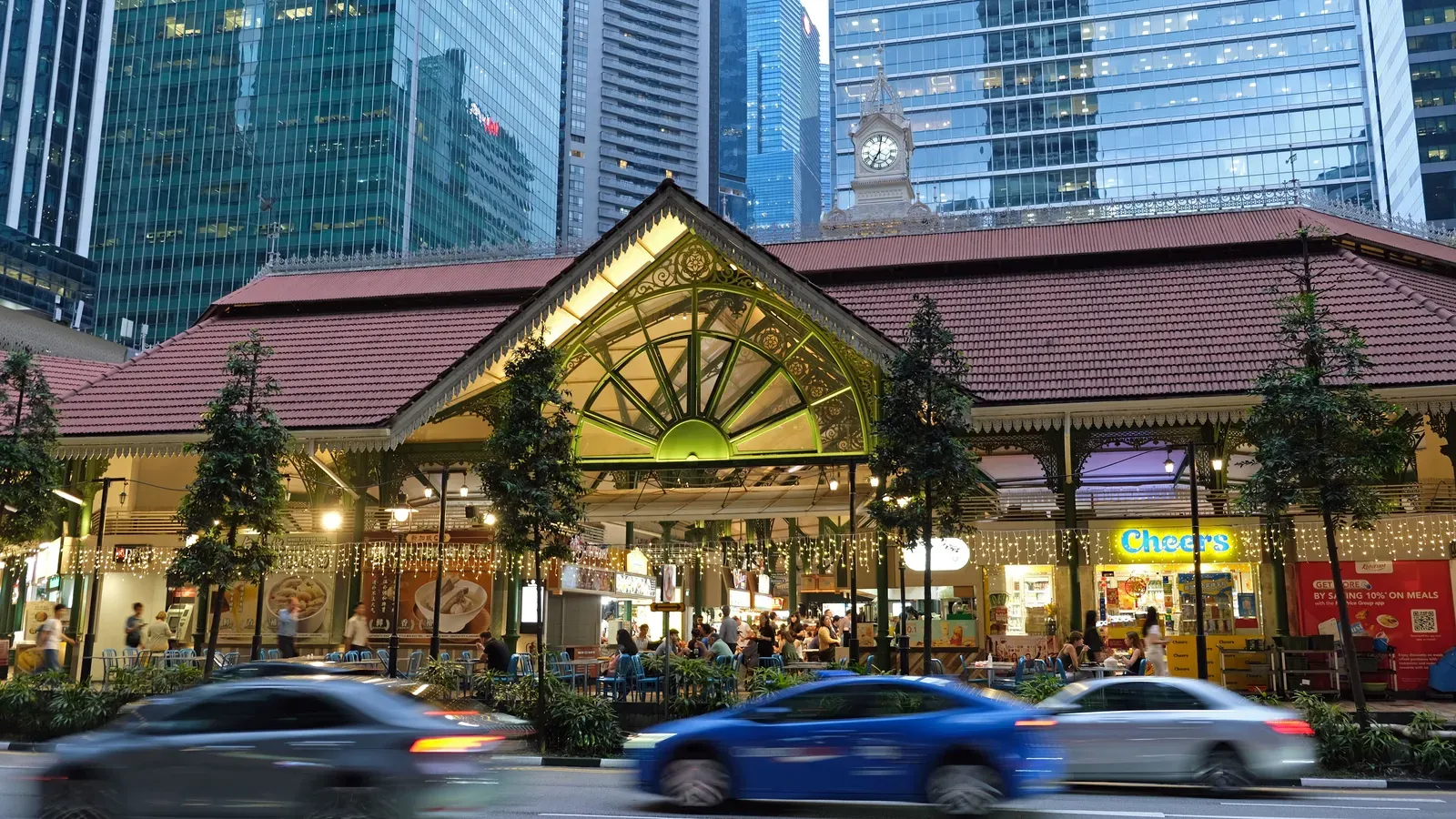
Historic centres can add a sense of place. Tekka reflects the food traditions around Little India, Tiong Bahru pairs naturally with a neighbourhood morning, and East Coast Lagoon works with seaside time. Maxwell is convenient for Chinatown, but convenience does not require joining the longest queue in the room.
Use the one-table, three-round method
Round one is reconnaissance. One adult stays with the children and table while the other takes a quick lap, photographs a few menus for the family to compare, and notes which queues are moving. Swap scouts if everyone wants a look.
Round two is the anchor. Bring back one familiar-looking dish, rice or noodles, and drinks. Hungry children make terrible food critics. Once there is something safe on the table, curiosity becomes much easier.
Round three is the adventure. Add one or two small dishes to share. A family can taste more by dividing portions than by ordering a full plate for every person. Dessert is a fourth round only if energy and seating diplomacy remain intact.
What to look for with cautious eaters
Chicken rice can separate into rice, sliced chicken, cucumber, and sauce on the side. Plain-looking noodle or rice dishes may still contain sauces, stock, seafood products, or chilli, so “not spicy” is not the same as allergen-free. Toast, buns, fruit, steamed items, and simple drinks can provide a bridge while children inspect the more unfamiliar plates.
Let a child choose the shape or texture rather than demanding a culturally impressive order. “Would you rather try noodles or something crispy?” is a kinder question than “Why won’t you eat local food?” The point is to join a living food culture respectfully, not collect bravery points.
Allergies need a slower conversation
Recipes vary by stall, and shared woks, utensils, oils, broths, and preparation surfaces are common. Ask directly about the specific ingredient and cross-contact that matters to your family. Peanuts, tree nuts, egg, shellfish, fish products, soy, wheat, dairy, and sesame can appear in sauces or garnishes that are not obvious from the menu photo.
If communication is uncertain or the allergy is severe, choose a place where staff can answer confidently rather than guessing. Rank Asia cannot certify any stall or dish as allergy-safe.
The small etiquette that makes the meal smoother
- Keep children close while adults carry soup, drinks, and hot plates through narrow gaps.
- Do not spread bags across extra seats during a busy service.
- Return trays and used crockery to the correct station when you finish.
- Ask before photographing a hawker or their workspace, especially at close range.
- Use the queue to decide your order, not to conduct a ten-minute family meeting at the counter.
A useful game: build a five-sense menu
Give each child one observation job: find something sizzling, something fragrant, a dish with three colours, a sound from the kitchen, or a dessert with an unfamiliar texture. Nobody has to eat everything they notice. This turns waiting into attention and helps the centre feel like a community dining room rather than a noisy obstacle course.
When to leave
Leave while the meal is still a good memory. If the room grows crowded, the youngest child is fading, or the final queue is barely moving, skip the famous dessert. Singapore will not revoke your visitor card because you bought fruit on the way back to the hotel.
What may disappoint
Popular centres can be loud, humid, and difficult at peak periods. A famous stall may be closed, sold out, or simply not suit your family. Seating and toilet arrangements vary, and a wide stroller may be awkward in dense aisles. Verify the centre, arrive with a backup, and judge success by the family meal—not the number of dishes crossed off a list.
Pair this meal with our practical three-day Singapore family plan.
Research note: This independent guide is research-led. Stall hours, closure dates, recipes, payment methods, and crowd levels change.
Official planning: National Environment Agency hawker-centre information and closure notices, National Heritage Board’s introduction to hawker culture, and official hawker-centre heritage notes.
Reviewed July 2026 by the Rank Asia editors. Next logistics review: October 2026.