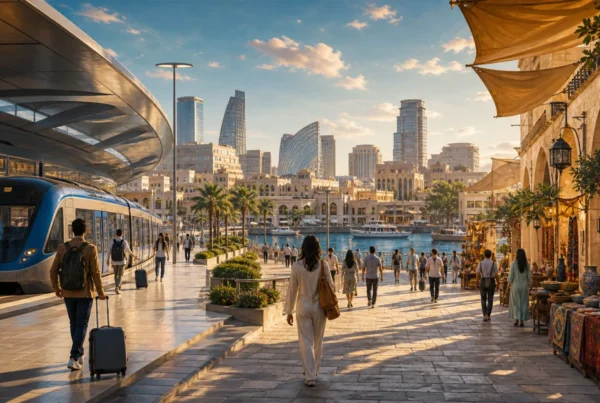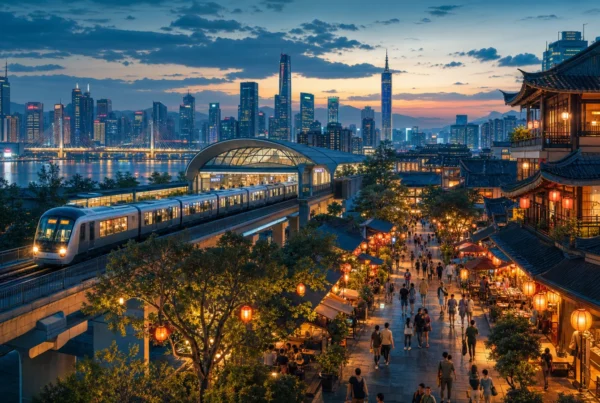
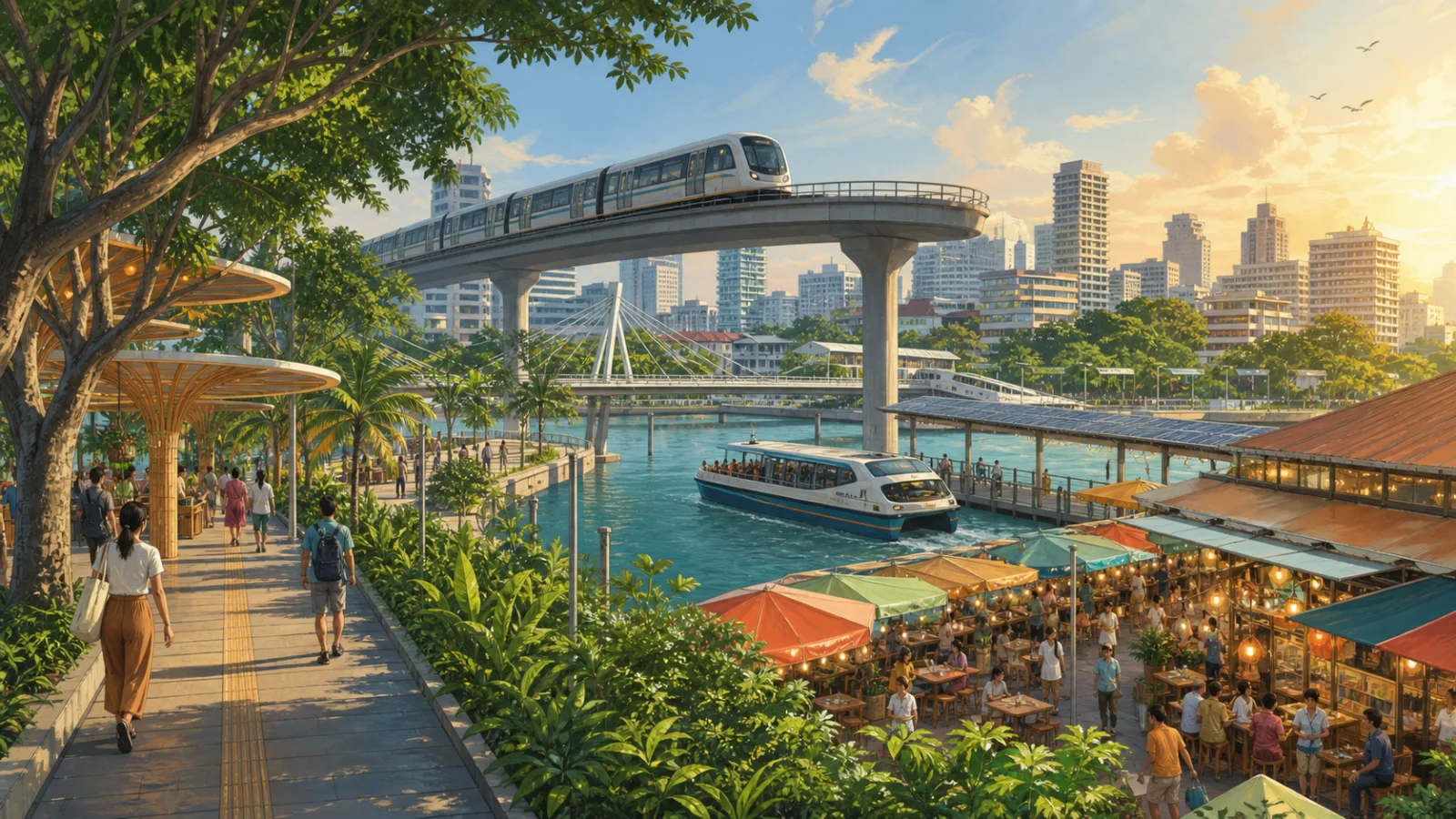
Singapore is the clear winner for a car-free Southeast Asian city trip. Bangkok follows with a powerful combination of rail and river transport, while Kuala Lumpur works well when the itinerary stays close to its strongest connected districts.
Quick answer
- Best overall: Singapore.
- Best rail-and-river combination: Bangkok.
- Best value with a useful airport link: Kuala Lumpur.
- What “without a car” means: a visitor can complete a useful three-day trip using scheduled public transport, walking, and occasional taxi backup.
Scored comparison
The ranking
Scope: Five major Southeast Asian gateways evaluated for a useful three-day visit without renting a private car. For: Independent city-break travelers who prefer scheduled public transport, walking, and occasional taxi backup.
| Rank | Choice | Score | Best for |
|---|---|---|---|
| #1 | Singapore | 9.1 out of 10 | The most predictable car-free introduction to the region. |
| #2 | Bangkok, Thailand | 8.6 out of 10 | Combining temples, markets, food, and modern districts. |
| #3 | Kuala Lumpur, Malaysia | 8.2 out of 10 | Value-focused travelers comfortable mixing rail and ride-hailing. |
| #4 | Jakarta, Indonesia | 7.6 out of 10 | Travelers willing to plan around transport corridors. |
| #5 | Manila, Philippines | 6.3 out of 10 | Travelers focusing on a small number of historic and cultural districts. |
#1
Singapore
9.1/10
The clear winner: rail and bus coverage, airport access, wayfinding, and compact district planning make a private car unnecessary.
- Best for
- The most predictable car-free introduction to the region.
- Watch for
- Ease does not equal low cost, especially for accommodation.
#2
Bangkok, Thailand
8.6/10
Rail and river services connect many high-value visitor areas, producing a rewarding trip without driving.
- Best for
- Combining temples, markets, food, and modern districts.
- Watch for
- Network gaps, heat, and difficult footpaths still make selective taxi use practical.
#3
Kuala Lumpur, Malaysia
8.2/10
Strong airport and urban rail options work well when each day stays within connected central clusters.
- Best for
- Value-focused travelers comfortable mixing rail and ride-hailing.
- Watch for
- Pedestrian connections can be indirect even when places look close on a map.
#4
Jakarta, Indonesia
7.6/10
MRT, commuter rail, airport rail, and TransJakarta create useful car-free corridors, but the metropolitan scale requires disciplined routing.
- Best for
- Travelers willing to plan around transport corridors.
- Watch for
- First-and-last-mile walking and cross-city distances remain the main friction.
#5
Manila, Philippines
6.3/10
A car-free visit is possible with rail, walking inside selected districts, and taxi backup, but it is the least seamless network in this shortlist.
- Best for
- Travelers focusing on a small number of historic and cultural districts.
- Watch for
- Transfers between disconnected areas can be slow and weather-exposed.
How this ranking works
- Public network — 35%
- Coverage and usefulness of urban rail, bus, and ferry services for visitor districts.
- Airport link — 20%
- Clarity and practicality of scheduled transport from the main international gateway.
- Walkable trip design — 15%
- Ability to combine nearby sights after arriving in a district.
- Useful backups — 15%
- Availability of ferries, metered taxis, or app-based rides when the scheduled network does not fit.
- Value — 15%
- Affordability of building the trip around transport and moderate-cost experiences.
Sources checked
- Singapore Land Transport Authority public transport guide (2026-07-29)
- Bangkok BTS official website (2026-07-29)
- Rapid KL official network guide (2026-07-29)
- MRT Jakarta official website (2026-07-29)
- Philippines official visitor guide to Manila (2026-07-29)
What this ranking does not promise
Car-free does not mean every street is pleasant to walk or every attraction sits beside a station. The score rewards connected trip design, not an unrealistic claim that taxis are never useful. Travelers with mobility requirements should verify station lifts, step-free routes, and boarding conditions directly.
Fares, operating hours, service disruptions, and payment rules are mutable. Check the official operators linked in the source list before departure.