Tokyo family guide
The secret to a calm first Tokyo trip is not mastering the whole city. It is choosing one district for each half-day, travelling outside the busiest commute, and letting small discoveries count as part of the itinerary.
Before you promise the children everything
Tokyo's rail map can make distant neighbourhoods look deceptively easy to combine. Transfers, station corridors, and finding the correct exit all consume family energy. Stay near a useful station, save the hotel address in Japanese, and plan no more than two neighbouring areas per day.
A realistic three-day shape
- Day 1: Asakusa and an early finish.
- Day 2: Ueno plus one museum chosen for the children.
- Day 3: one modern-Tokyo district, selected by family interest.
- Transit rule: avoid weekday rush hours with a stroller or luggage.
Day 1: give Asakusa room to breathe
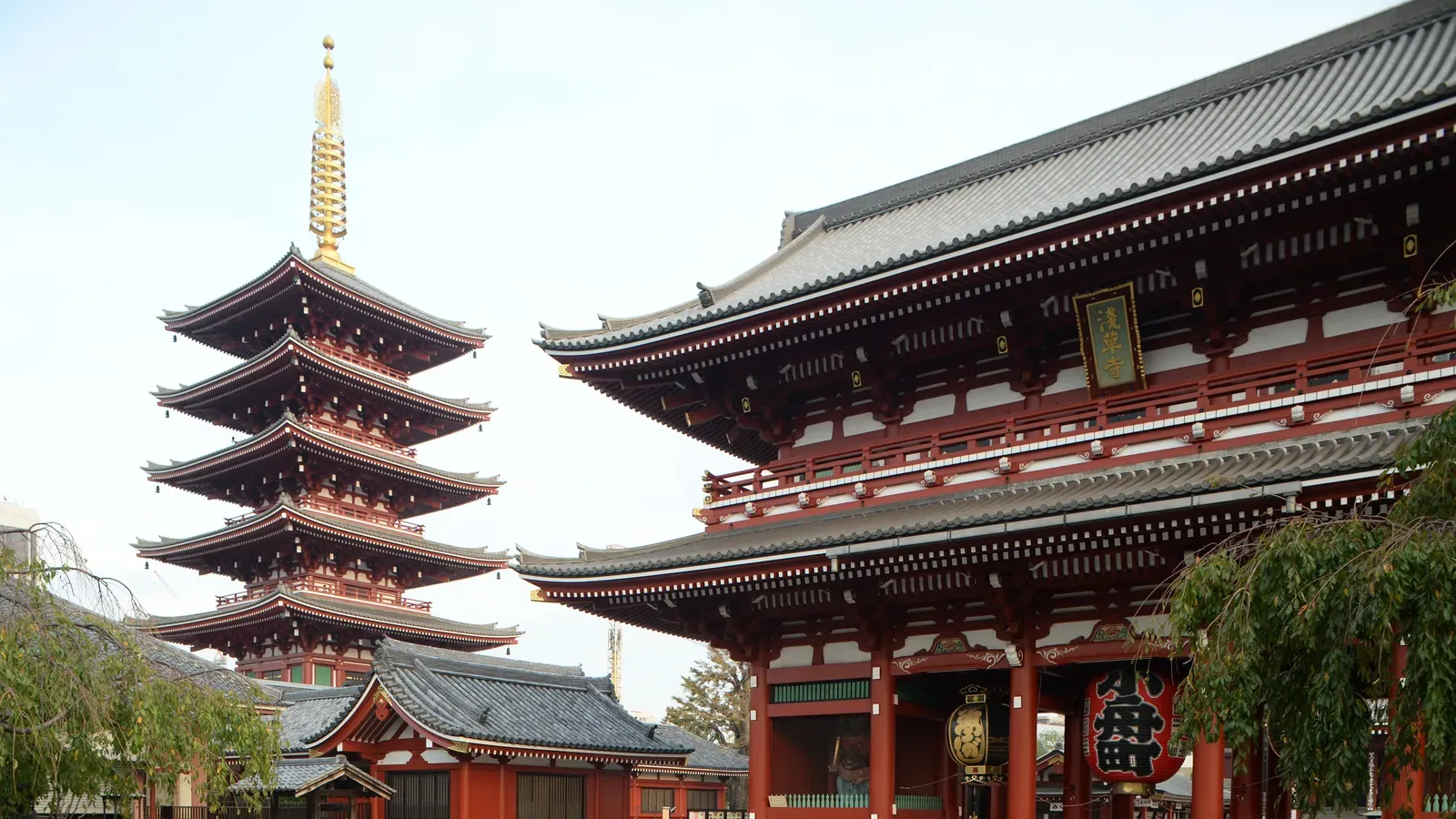
Arrive early enough to see Senso-ji's approach before the heaviest foot traffic. The gates, incense, temple buildings, and nearby streets provide plenty to notice without buying a formal tour. Keep children close around the busy shopping street and do not treat worshippers as a photo backdrop.
After lunch, choose one small extra: a Sumida riverside walk, Kappabashi's food models and kitchenware, or simply a rest. Do not add Shibuya because it appears on every list. The first day should teach the family how stations, meals, and walking feel.
Day 2: Ueno with one museum mission
Ueno Park gathers open space and several museums in one area. Choose the institution that matches the children—not the one adults feel obliged to complete. At a large museum, pick two galleries or a one-hour mission, then leave while curiosity is still intact. The official Tokyo family guide specifically recommends Ueno as a useful family area.
Lunch nearby and keep the afternoon flexible. A pond walk or playground break can be more successful than another admission ticket. On a wet or very hot day, extend the museum and shorten the park.
Day 3: choose your version of modern Tokyo
For city spectacle: use Shibuya and nearby streets, but go outside peak time and agree on a meeting point. For trains and polished indoor space: explore Tokyo Station and Marunouchi. For toys and shopping: pick one store or district rather than spending the day in queues.
Ticketed observation decks and character attractions often require advance planning. Book only when the family genuinely cares; a timed reservation can otherwise control the entire day.
The practical details parents notice
- Station toilets are common, but large stations can take time to navigate.
- A lightweight stroller helps, yet stairs and crowded platforms still appear; be ready to fold or carry it.
- Convenience stores are useful for simple food and emergency supplies, but allergies require careful label checking.
- Carry a small rubbish bag. Public bins can be less common than visitors expect.
What may disappoint
Popular places can feel crowded even on an organised day, and a “quick” cross-city journey can become the tiring part everyone remembers. Tokyo becomes more generous when the itinerary has permission to shrink.
Research note: This is an independent, research-led plan. Check attraction reservations and transport notices close to travel.
Official planning: GO TOKYO's family guide, official Asakusa guide, and Tokyo Metro.
Reviewed July 2026 by the Rank Asia editors.